
You are using an out of date browser. It may not display this or other websites correctly.
You should upgrade or use an alternative browser.
You should upgrade or use an alternative browser.
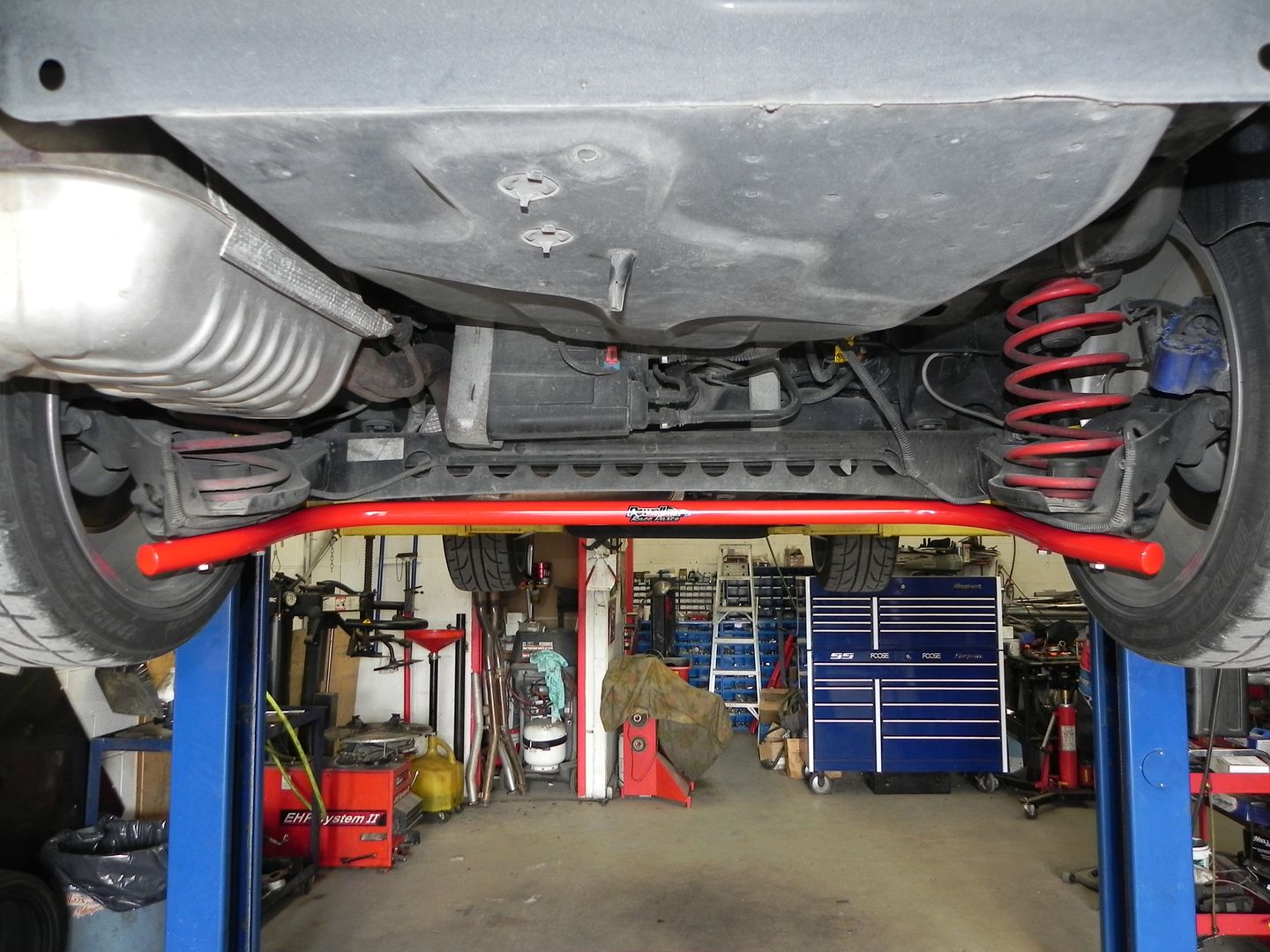
I've got a couple chassis parts in development.
- Thread starter MPFab
- Start date


^ That's really simple and pretty smart.
I said it will work to a degree but it's being loaded the wrong way if there isn't something holding it in the middle, that's all. Maybe it's built to stand up to the load, maybe after a bunch of cycles it breaks. Not something I'd want to find out.
I think your underestimating the effectivness of the sway bar even when it's just bolted on in a few little spots
I said it will work to a degree but it's being loaded the wrong way if there isn't something holding it in the middle, that's all. Maybe it's built to stand up to the load, maybe after a bunch of cycles it breaks. Not something I'd want to find out.
^ That's really simple and pretty smart.
I said it will work to a degree but it's being loaded the wrong way if there isn't something holding it in the middle, that's all. Maybe it's built to stand up to the load, maybe after a bunch of cycles it breaks. Not something I'd want to find out.
all im saying is people have raced successfully on the simple bolt on methods and found them to not break


sx sonic
New member
^ That's really simple and pretty smart.
I said it will work to a degree but it's being loaded the wrong way if there isn't something holding it in the middle, that's all. Maybe it's built to stand up to the load, maybe after a bunch of cycles it breaks. Not something I'd want to find out.
It depends how the bar is designed and how it absorbs load.
A conventional sway bar, the kind used almost everytime by O.E.M.s, work in torsion. As one wheel compresses it tries to twist the sway bar and because of the bushings/clamps that hold the bar to the chassis the load must be transferred to the other wheel. The offset of the sway bar arms, bar dia, and wall thickness all effect how much load is transferred to the other wheel.
With these designs there has to be something holding the bar to the chassis for obvious clearance and loading concerns, the offset arms neccesatate it,otherwise the bar is loaded ineffectively and will need to be massive to accommodate the load, with massive loads be applied to the fasteners on the control arms.
However what's being created by the aftermarket for torsion bar rear axles (sonic, cobalt, etc) are a different bird. Live rear axles are very similar.
The axle itself is resist flex because it connects the wheels. It's stiffness, size, shape, and location effects roll stiffness.
So if you stiffen the axle you reduce flex and change the chassis balance.
With the DDM rear brace this is done with a straight bar that bolts to the groove in the torsion beam. However not much load is torsion, it's mostly in perpendicular flex, which a straight bar is quite effective in controlling. It only has to transfer loads in one direction.
ZZPs is more or less the same except for where it mounts (so it doesn't require drilling). It also uses the axle as bracing and acts directly against it.
Personally I see no issues with either design, they work as intended and increase roll stiffness.
I'd actually shy away from anything that requires sway bar links for a rear axle setup like ours. It'd be a mounting nightmare, more expensive, and still only be effective as the roll rate the manufacturer tried to make.
Walker, I think the best design is one that would allow for changing the roll rate of the rear so the owner has an option to tweak the handling characteristics, or work ideally with a stiffer front sway bar.

mitdr774
also a dinner prick
"I'd actually shy away from anything that requires sway bar links for a rear axle setup like ours. It'd be a mounting nightmare, more expensive, and still only be effective as the roll rate the manufacturer tried to make."
Very easy to mount as long as the correct hardware is provided. Front and rear sway bar kit from Eibach was something like $350 for my cavalier. A little less than what I paid for the DDM insert and BNR front bar. Even with the factory bar inside the twist beam the eibach sway bar made a big difference in how the car behaved.
Very easy to mount as long as the correct hardware is provided. Front and rear sway bar kit from Eibach was something like $350 for my cavalier. A little less than what I paid for the DDM insert and BNR front bar. Even with the factory bar inside the twist beam the eibach sway bar made a big difference in how the car behaved.
ZZPs is more or less the same except for where it mounts (so it doesn't require drilling). It also uses the axle as bracing and acts directly against it.
Personally I see no issues with either design, they work as intended and increase roll stiffness.
Good post. Looking at the pictures above the bar isn't directly against the axle (on the straight middle section), which is why I'm saying there will be bending loads on the bar. I haven't seen the bar installed on a Sonic but I assumed it to be like the pic above.